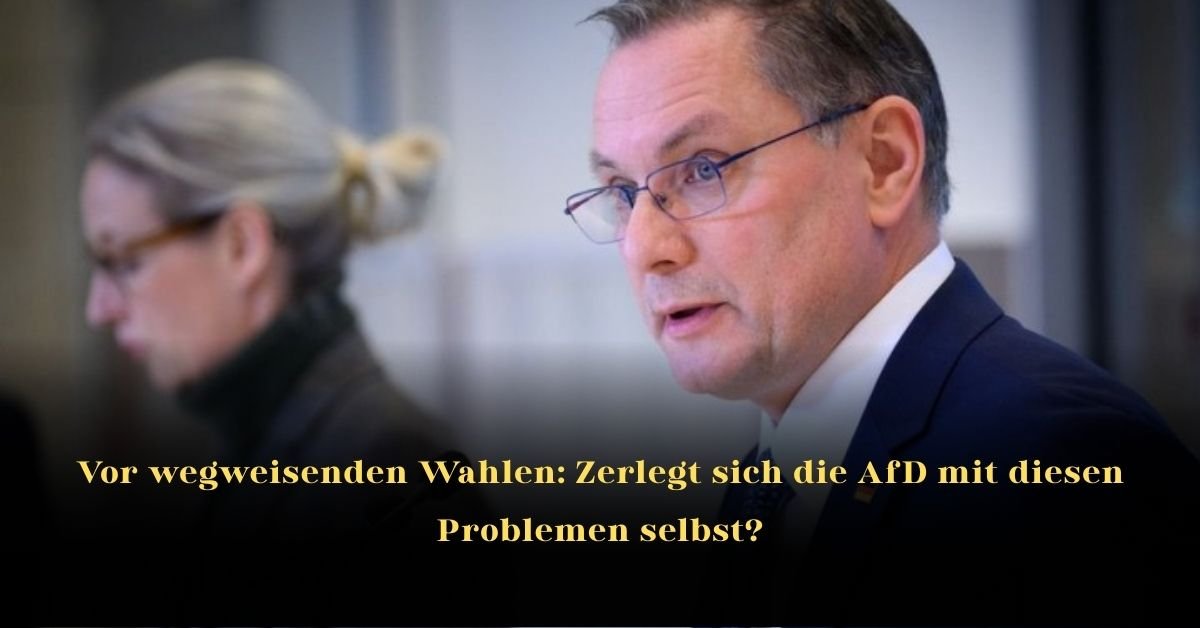
The Alternative for Germany (AfD) party is at a strange point. It is led by Alice Weidel and Tino Chrupalla. Important elections are coming in 2026. The party is doing very well in national polls. It is sometimes over 25% and even ahead of Chancellor Friedrich Merz’s CDU/CSU. But inside, the party is full of tension. They have many self-made problems. These include fights over ideas and scandals with members who have been convicted in court. This makes German voters ask: Is the AfD its own biggest enemy?
Core Issues Driving Internal Conflict and Debate
The party is getting ready for five important state elections in 2026. Some of these are in their strongholds like Saxony-Anhalt and Mecklenburg-Vorpommern. But the party is not stable inside. Recent reports show several big problems that could push away normal voters. There is Policy Paralysis. This means the party cannot decide on its main ideas. They fight between wanting a free market economy and wanting social protections. This makes their message confusing.
There is also the shadow of “Vetternwirtschaft”. This is a German word for nepotism, or giving jobs and advantages to family and friends. Party members are angry about this, especially about who gets a good spot on the election lists. Another problem is The Stigma of Conviction. Some party members have been convicted of crimes. They fight about this in public. This gives their opponents easy attacks. It makes it hard for the AfD to say it is the party of “law and order”.
The Björn Höcke Factor and the Radicalization Paradox
A big problem is the party’s link to Björn Höcke. He is the controversial leader in Thuringia. The radical group inside the AfD called “Der Flügel” was officially dissolved. But its extreme ideas are still there. Höcke uses language about history that has gotten him convicted in court. This creates a “glass ceiling” for the party. It means they cannot grow past a certain point.
The radical ideas make the base strong in Eastern Germany. But in Western states like Baden-Württemberg, it pushes people away. There, the AfD’s support has recently fallen to single digits in some areas. Managing these radical people is not just about good publicity. It is a fight for the soul of the party before the national elections.
ALSO READ: USA entwickelt Marschflugkörper Rostiger Dolch für Ukraine-Krieg
Electoral Timing and 2026 Implications
This internal chaos is happening at the worst time. The 2026 elections are seen as a “pathfinding” moment for Germany. Other big parties have promised not to work with the AfD. This promise is under pressure. For the AfD to break into real power, it needs to look united.
In states like Saxony-Anhalt, the AfD is polling near 40%. This means they could win the most seats. But if the internal fighting continues, the party could “dismantle itself”. They might win but still be alone. They would not be able to form a coalition with others to actually govern.
Conclusion: A Party at a Crossroads
The AfD faces factional fighting, nepotism scandals, and the shadow of being watched by Germany’s domestic intelligence service (BfV). This is a huge test for leader Alice Weidel. In the past, the AfD has been good at surviving scandals, like a non-stick “teflon” pan. But now, all these problems are coming together right before the 2026 elections. The party is on the brink. The next 12 months will be decisive. Can the AfD become more professional inside? Or will it be torn apart by radical forces? The answer will decide the future of German politics.
Disclaimer
The news information presented here is based on available reports and reliable sources. Readers should cross-check updates from official news outlets.